
Brad Steele to lead Auckland Trotting Club
Brad Steele to lead Auckland Trotting Club
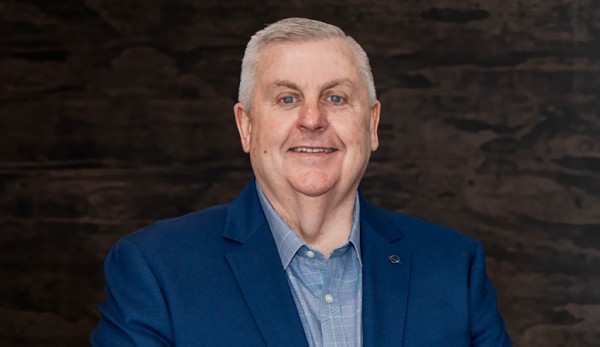
After resigning from his role as CEO of Harness Racing New Zealand in April, Australian Brad Steele will return to New Zealand to assume the role of CEO of the embattled Auckland Trotting Club.

Brad Steele answered some written questions put to him by Harnesslink.
Can you confirm when you officially commence the role?
I’m looking forward to getting started and officially commence 3rd August. It’s an exciting opportunity and one I’m incredibly motivated by.
Earlier this year you returned to Australia after departing HRNZ, but now this opportunity brings you back to New Zealand. What made this role too exciting to pass up?
The opportunity to lead Auckland Trotting Club was simply too significant to ignore. Alexandra Park is one of the most important assets in New Zealand harness racing and I genuinely believe there is enormous untapped potential in both the Club and the wider North Island harness industry.
This role is about more than managing a race club as I see it, it’s about helping shape the future direction of harness racing in New Zealand’s largest population centre. That challenge and opportunity was incredibly appealing.
What was it about the Auckland Trotting Club position that convinced you to make the move back across the Tasman?
Auckland is a growth city and Alexandra Park sits in a unique position with strong racing heritage and significant commercial opportunities, but is facing some solid challenges.
I also believe the North Island can play a much larger role in the future growth of the sport. If we can strengthen horse numbers, improve field sizes, modernise the customer experience, and connect with new audiences, there’s an enormous upside for the entire code.
Having worked on both sides of the Tasman, what do you enjoy most about the New Zealand harness racing industry?
New Zealand harness racing has authenticity and people who care deeply about the sport. There’s also a proud history of producing world-class horses, trainers, breeders and drivers.
What excites me most is the opportunity. New Zealand may be smaller in scale than Australia, but that can also allow the industry to move quickly, innovate and work collaboratively when aligned around a common vision.
Looking back on your time with HRNZ, what achievements are you most proud of?
I’m proud of helping drive a more commercially focused mindset across the industry and supporting initiatives designed to elevate the profile of the sport.
The development of feature racing, enhanced promotion around major events and introducing new concepts designed to create energy and excitement around harness racing were all important steps. I’m also proud of the relationships built across clubs, participants, and stakeholders during a period that presented significant challenges. Paying stakes to participants on a weekly basis was also very important.
Achieving a latest uplift in mares bred to in sixteen years was an amazing industry wide achievement.
HRNZ has faced significant financial and structural challenges during your time there. What were the biggest realities confronting the industry behind the scenes?
Like many racing jurisdictions globally, the industry has been dealing with changing consumer behaviour, rising operating costs, workforce pressures, and increased competition for both entertainment and wagering spend.
There was also an abundance of fixed mindsets.
One of the biggest long-term challenges is maintaining sustainable horse populations and strong field sizes, particularly in the North Island. Without competitive fields, it becomes harder to drive wagering, ownership and fan engagement.
Do you believe New Zealand harness racing is heading in the right direction commercially and structurally?
I believe there are positive foundations in place, particularly with increased wagering investment and the opportunities created through the Entain partnership.
That said, the industry still has important work to do around alignment, infrastructure planning, ownership growth, and participant sustainability. The future is positive if the industry works collaboratively and remains prepared to evolve.
There has been considerable industry debate around infrastructure, wagering performance, and sustainability. What lessons did you take from your HRNZ experience?
One of the biggest lessons is that strong relationships and collaboration matter more than ever. The industry cannot afford fragmented thinking or short-term decision making.
We need to make strategic decisions that strengthen participation, improve the customer experience, and create sustainable commercial outcomes. Strong alignment between clubs, HRNZ, Entain, and participants will be critical moving forward.
You introduced and supported several new initiatives including slot races and enhanced major race promotions. Which projects are you most proud of?
The slot race concept was an important innovation because it brought fresh energy, new audiences, and stronger commercial engagement into the sport.
Arguably it has also brought foreign capital investment into NZ harness as well, particularly from Australia.
I’m also proud of efforts to elevate the presentation and promotion of major race days. Harness racing needs to continue creating premium entertainment experiences that appeal beyond traditional racing audiences.
In hindsight, is there anything you would have approached differently at HRNZ?
In leadership, there are always things you reflect on and learn from. Every major decision involves balancing competing priorities and stakeholder expectations.
What I’ve learned is the importance of communication, alignment, and bringing people on the journey through periods of change. Those lessons will certainly help me moving forward.
Auckland Trotting Club has faced major financial and operational pressures in recent years. What excites you most about taking on this challenge?
I enjoy building, improving, and creating momentum. Alexandra Park has enormous potential because of its location, history, and strategic importance to the sport.
The challenge is significant, but so is the opportunity. I genuinely believe the club can become stronger, more relevant, and more connected to the wider Auckland community.
What do you see as the immediate priorities for the Club in your first 100 days?
The initial focus will be listening, learning, and building strong relationships with staff, members, participants, and stakeholders.
From there, key priorities will include strengthening and de-risking the Clubs balance sheet, racing performance, improving customer and member experiences, reviewing commercial opportunities, and helping develop strategies to grow horse numbers and field sizes in the North Island.
How critical is Alexandra Park to the future of harness racing in the North Island?
It’s absolutely critical. Alexandra Park is the flagship harness venue in New Zealand’s largest city and plays a vital role commercially, culturally, and strategically.
A strong Auckland Trotting Club helps create confidence, visibility, and growth opportunities for the entire North Island harness industry.
Do you believe the club can return to long-term financial strength and stability?
Yes, I do. But it will require disciplined decision making, strong partnerships, commercial innovation, and a clear long-term strategy.
The Club has valuable assets and significant potential. The focus now is ensuring those opportunities are converted into sustainable outcomes for future generations.
Will fans and participants see a different strategic direction under your leadership?
There will certainly be a strong focus on modernisation, customer experience, innovation, and collaboration.
We need to respect the Club’s proud history while also ensuring we remain relevant to changing audience expectations and entertainment trends. The future requires both tradition and evolution.
How important will partnerships with Entain, HRNZ, Cambridge Raceway, and other stakeholders be moving forward?
Those relationships will be extremely important. No club or organisation succeeds in isolation anymore.
The future of North Island harness racing will depend heavily on aligned thinking, shared strategies, and strong collaboration across key stakeholders.
Harness racing continues to compete with many other entertainment and wagering options. How does the sport stay relevant to younger audiences? The sport needs to deliver more than just racing. Younger audiences are looking for experiences, entertainment, atmosphere, and social connection.
That means improving event presentation, food and beverage offerings, digital engagement, and creating race nights that appeal to broader audiences while still respecting the core racing product.
Do you see untapped opportunities for Auckland and Alexandra Park as entertainment and hospitality destinations beyond racing?
Definitely. Alexandra Park has significant potential as a broader entertainment, hospitality, and events destination.
The venue is uniquely positioned in Auckland and there are opportunities to better leverage that location to attract new customers, partners, and revenue streams beyond race nights alone.
What role does innovation and event promotion play in attracting new fans to harness racing?
It plays a massive role. Sport and entertainment markets are highly competitive, so harness racing needs to continue evolving and finding ways to stand out.
Innovation, storytelling, major events, and strong promotion help create relevance and excitement, particularly for people who may not traditionally engage with racing.
Is there a need for greater collaboration between Australian and New Zealand harness racing?
Absolutely. There are strong opportunities around scheduling, promotion, wagering, ownership engagement, and participant pathways.
Both countries can benefit from working more closely together to strengthen the overall profile and commercial performance of harness racing.
What are your thoughts on the future of major slot races and feature-event racing in New Zealand?
I believe feature-event racing and premium racing experiences are an important part of the sport’s future.
Big events create attention, media interest, wagering engagement, and new audiences. The challenge is ensuring they complement and strengthen the broader racing ecosystem.
You’ve now held senior leadership roles across both Australia and New Zealand harness racing. What makes a successful racing administrator in today’s environment?
You need resilience, adaptability, commercial thinking, and the ability to bring people together around a shared vision.
Racing industries are evolving quickly, so leaders need to balance tradition with innovation while remaining focused on sustainable outcomes.
How would you describe your leadership style?
Collaborative and outcomes focused.
I believe in building strong relationships, empowering people, and creating environments where teams and stakeholders feel aligned around common goals.
What motivates you personally to continue taking on difficult industry leadership roles?
I genuinely care about the future of the sport and the people involved in it. Harness racing has given a lot to many communities across Australia and New Zealand.
I’m motivated by the opportunity to help create positive change, strengthen organisations, and leave the industry in a better position for future generations.
Finally, what message would you like to send to trainers, owners, punters, and supporters about the future of Auckland Trotting Club and New Zealand harness racing?
The future can be very positive if we work together with ambition and alignment.
Auckland Trotting Club has a proud history, but we also need to embrace the future with energy, innovation, and confidence. There is enormous opportunity in the North Island and I’m excited about working alongside participants, members, fans, and stakeholders to help unlock that potential together.


Comments